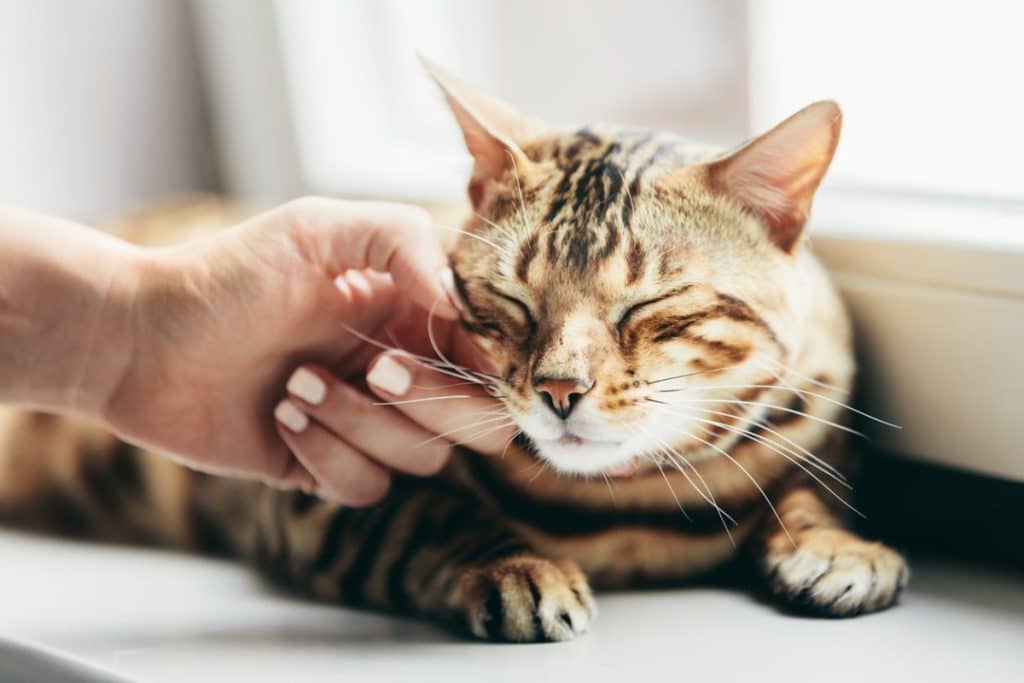
 Mental wellness is not built in a single moment. It is shaped through daily habits, supportive relationships, and meaningful routines that help individuals stay grounded during life’s challenges. For those navigating addiction recovery or mental health treatment, stability and emotional support are essential. At KolderCats, we take a holistic and compassionate approach to healing, recognizing that recovery is strengthened not only through clinical care but also through everyday experiences that restore balance and hope. One of the most powerful yet simple supports is cat companionship. The steady presence of a cat can reduce stress, encourage routine, and support emotional regulation in ways that meaningfully contribute to mental wellness.
How Cat Companionship Supports Mental Wellness
Mental wellness involves emotional balance, stress management, and the ability to respond to challenges with resilience. Cats offer a unique form of companionship that naturally supports these areas through consistent presence and calming behavior.
Emotional Comfort During Difficult Moments
Cats provide nonjudgmental companionship, which can be especially valuable during recovery. Their presence offers comfort without expectation, helping individuals feel accepted and less alone. For those experiencing anxiety, depression, or emotional distress, this quiet form of support can be grounding and stabilizing.
Reducing Stress and Supporting Calm
Interacting with cats has measurable stress reducing effects. Activities such as petting, grooming, or simply sitting beside a cat can help lower stress hormones and promote relaxation. These moments of calm contribute to improved emotional regulation and help individuals better manage triggers and overwhelming feelings.
Building Routine and Structure Through Cat Care
Routine is a cornerstone of mental wellness and recovery. Without structure, it can be difficult to maintain stability and focus. Caring for a cat introduces natural daily responsibilities that help create consistency.
Creating Predictable Daily Habits
Feeding schedules, litter box maintenance, and playtime establish a rhythm in the day. These small but important tasks provide structure that supports emotional stability. Over time, these habits help individuals rebuild consistency in other areas of life, including work, relationships, and treatment engagement.
Strengthening Responsibility and Confidence
Caring for a living being reinforces accountability. Meeting a cat’s needs each day builds confidence and reinforces the belief that one is capable of maintaining responsibility. This sense of accomplishment can be especially meaningful during addiction recovery, where rebuilding self trust is a key part of healing.
Mindfulness and Emotional Awareness Through Cats
Cats naturally encourage mindfulness through their calm, present focused behavior. Observing and interacting with them invites individuals to slow down and engage more intentionally with the present moment.
Practicing Presence in Everyday Life
Simple interactions like watching a cat rest or play can help redirect attention away from stress or negative thought patterns. These mindful moments support emotional clarity and help reduce anxiety, making it easier to stay grounded during difficult times.
Improving Emotional Regulation
Caring for a cat requires patience and attentiveness. Learning to respond gently and consistently to a cat’s needs helps strengthen emotional regulation skills. These skills are essential in mental health treatment and addiction recovery, where managing emotions effectively is a key factor in long term success.
Integrating Cat Companionship Into Holistic Recovery
At KolderCats, we provide individualized, faith based, and holistic treatment that supports the whole person. Cat companionship aligns naturally with this approach by reinforcing emotional, psychological, and spiritual wellness.
Supporting Clinical Treatment
While cat care is not a replacement for professional therapy or medical treatment, it enhances recovery by reinforcing healthy habits and emotional skills learned in clinical settings. The consistency and compassion involved in caregiving complement therapeutic work and support ongoing progress.
Encouraging Reflection and Meaning
Daily interactions with a cat often create quiet moments of reflection and gratitude. These experiences can strengthen emotional awareness and encourage a more hopeful outlook, both of which are important in sustaining mental wellness.
Conclusion: Finding Progress Through Everyday Connection
Purrs and progress often go hand in hand. Cat companionship offers more than comfort. It provides structure, emotional support, and opportunities for mindfulness that can significantly enhance mental wellness during recovery. These small daily interactions help build resilience, strengthen emotional balance, and support long term healing.
At KolderCats, we are committed to guiding individuals through recovery with compassion, professionalism, and personalized care. If you or someone you love is seeking support for addiction or mental health challenges, reach out today. Together, we can build a path toward lasting wellness supported by clinical expertise, holistic healing, and the quiet strength found in everyday companionship.