
Category Archives: Uncategorized

From Care to Calm: How Cats Help Build Routine and Reduce Stress

Recovery from addiction and mental health challenges is a complex journey that involves rebuilding both structure and emotional stability. While therapy, medication, and professional support are critical, everyday practices that encourage routine, mindfulness, and calm can significantly enhance long-term healing. At KolderCats, we recognize that holistic care involves more than clinical treatment. One surprisingly effective tool in recovery is caring for a cat. Beyond companionship, cat care helps individuals establish daily routines, reduce stress, and strengthen emotional resilience.

Establishing Routine Through Cat Care

Consistency is a cornerstone of successful recovery. Addiction often disrupts daily habits, making structure difficult to maintain. Caring for a cat naturally encourages regular routines that support both mental health and recovery goals.

Daily Responsibilities Foster Stability

Feeding, grooming, and playtime provide predictable tasks that anchor the day. These responsibilities create a rhythm that helps individuals stay grounded, reduce feelings of chaos, and build trust in their ability to manage daily life. Even small accomplishments, such as keeping to a feeding schedule, reinforce confidence and provide a tangible sense of progress.

Translating Care Into Recovery Skills

The habits formed through caregiving—attention, consistency, and problem-solving—extend to other aspects of life. Developing structured routines for a cat mirrors the skills necessary to attend therapy sessions, adhere to medication schedules, and manage responsibilities in everyday life. Routine fosters stability, which is essential for preventing relapse and supporting emotional wellbeing.

Reducing Stress and Encouraging Calm

Stress is a major challenge in recovery, often triggering cravings or emotional setbacks. Cat companionship offers calming benefits that complement professional treatment.

Mindfulness Through Interaction

Cats live in the moment, and observing or engaging with them encourages caregivers to do the same. Petting, brushing, or simply watching a cat’s movements can create mindful pauses in the day. These moments help individuals regulate emotions, focus on the present, and manage anxiety in a healthy way.

Physiological and Emotional Benefits

Scientific research shows that interacting with pets can lower blood pressure, reduce cortisol levels, and increase feelings of relaxation. For individuals in recovery, these benefits are particularly valuable. They support emotional regulation, improve mood, and reinforce the coping strategies learned in therapy and counseling.

Building Emotional Resilience and Connection

Caring for a cat also strengthens emotional resilience by encouraging empathy, patience, and responsibility.

Developing Compassion and Awareness

Responding to a cat’s needs teaches empathy and attention to subtle cues. This practice enhances emotional intelligence and strengthens the ability to navigate relationships, manage stress, and respond thoughtfully rather than react impulsively—skills that are crucial in recovery.

Finding Purpose and Motivation

Knowing that a living being depends on you provides a sense of purpose. Successfully meeting a cat’s needs can boost self-esteem, motivation, and confidence, reinforcing the belief that consistent effort leads to meaningful results.

Integrating Cat Care Into Holistic Recovery

At KolderCats, we take a holistic and individualized approach to recovery that incorporates mental, emotional, and spiritual growth. Cat companionship aligns naturally with this philosophy by fostering emotional support, structure, and mindfulness.

Complementing Professional Treatment

While cat care is not a substitute for therapy or clinical interventions, it complements them by providing practical, daily opportunities to practice patience, consistency, and emotional regulation. These experiences reinforce lessons learned in therapy and support sustainable recovery.

From Care to Calm

Caring for a cat offers more than companionship. It provides structure, promotes mindfulness, reduces stress, and strengthens emotional resilience—all of which are essential components of recovery. At KolderCats, we believe that healing is most effective when professional care is paired with meaningful daily practices that support mental and emotional wellbeing.

If you or a loved one are seeking guidance in addiction recovery or mental health treatment, reach out to KolderCats today. Our compassionate, holistic, and individualized approach can help you build stability, reduce stress, and cultivate a foundation for lasting healing.

Feline Therapy: The Surprising Mental Health Benefits of Cat Companionship

Recovery from addiction and mental health challenges is a journey that requires more than clinical intervention. Emotional stability, stress management, and meaningful connection are equally vital to long-term success. At KolderCats, we understand that holistic healing involves both professional treatment and supportive everyday experiences. One such powerful tool is cat companionship. Beyond their playful and affectionate nature, cats provide emotional support, encourage mindfulness, and enhance overall mental health in ways that can complement formal recovery programs.

How Cats Support Mental Health in Recovery

Individuals in recovery often face anxiety, depression, and lingering stress. These emotional challenges can increase the risk of relapse if not managed effectively. Cat companionship offers therapeutic benefits that support emotional wellbeing and mental resilience.

Emotional Comfort Without Judgment

Cats provide unconditional companionship. They offer a safe, nonjudgmental presence that allows individuals to feel accepted and valued. For those recovering from addiction, this can help reduce feelings of shame, guilt, and isolation, creating a foundation for emotional healing.

Reducing Stress and Anxiety

Interactions with cats have been shown to lower stress hormones and promote relaxation. Petting a cat or simply observing its calm behaviors can create a sense of peace and stability. This stress reduction supports mental clarity and helps individuals manage triggers and cravings more effectively.

Building Routine and Structure Through Cat Care

Consistency and routine are essential components of addiction recovery and mental health treatment. Caring for a cat naturally introduces structure into daily life.

Establishing Healthy Habits

Feeding, grooming, and engaging in playtime provide predictable daily tasks. These activities reinforce responsibility and encourage individuals to maintain a consistent schedule, which is crucial for emotional regulation and recovery success.

Enhancing Self-Worth and Purpose

Knowing that a cat depends on you instills a sense of purpose. Meeting a pet’s needs reinforces self-esteem and motivation, helping individuals feel capable and empowered in their recovery journey.

Mindfulness and Emotional Awareness Through Companionship

Cats naturally encourage presence and attentiveness. Spending time with a cat provides opportunities for mindfulness, which supports emotional regulation and personal growth.

Practicing Mindfulness Through Interaction

Petting, observing, or playing with a cat requires focus and attention. These mindful interactions help individuals slow down, recognize their emotions, and respond thoughtfully to stressors, enhancing the skills taught in therapy and counseling sessions.

Developing Empathy and Patience

Caring for a cat fosters empathy and patience. Understanding a cat’s cues and responding appropriately strengthens emotional awareness. These skills translate into healthier relationships and improved coping strategies during recovery.

Integrating Cat Companionship Into Holistic Recovery

At KolderCats, we provide holistic, faith-based, and individualized recovery programs. Cat companionship complements these approaches by supporting emotional, psychological, and spiritual well-being.

Enhancing Therapeutic Progress

While cat care is not a substitute for professional treatment, it reinforces lessons learned in counseling, group therapy, and inpatient or outpatient programs. The patience, consistency, and compassion cultivated through caregiving enhance personal growth and recovery outcomes.

Supporting Spiritual and Emotional Reflection

Daily interactions with a cat can encourage gratitude and reflection, strengthening spiritual awareness and emotional balance. These small, meaningful moments contribute to overall wellness and resilience in recovery.

Healing Through Feline Companionship

Cat companionship offers more than comfort; it provides structure, mindfulness, and emotional support that enhance mental health and recovery outcomes. By incorporating feline care into daily life, individuals can strengthen resilience, build self-worth, and experience meaningful connection, complementing the professional care provided at KolderCats.

If you or a loved one are seeking support for addiction or mental health challenges, reach out to KolderCats today. Our compassionate, individualized approach combines professional treatment, holistic practices, and supportive experiences like cat companionship to help you achieve lasting healing and emotional wellbeing.

Healing Paws: How Caring for a Cat Supports Emotional Wellbeing in Recovery

Recovery from addiction and mental health challenges is a journey that requires patience, consistency, and meaningful support. While therapy, medical care, and structured programs are essential, everyday experiences also play a vital role in emotional healing. At KolderCats, we recognize that holistic recovery combines professional treatment with activities that nurture the mind, body, and spirit. Caring for a cat is one such practice. Beyond companionship, it offers tangible benefits that support emotional wellbeing, mindfulness, and resilience throughout the recovery process.

The Role of Companionship in Emotional Health

Isolation and loneliness can make recovery feel overwhelming. Many individuals in treatment for addiction or mental health challenges struggle to find safe, supportive connections. Cats offer nonjudgmental companionship that provides comfort and emotional stability.

Emotional Support Without Judgment

Cats respond to care and attention without criticism or expectation. This unconditional presence creates a safe space for individuals to relax, process feelings, and experience connection. For people navigating shame or guilt related to addiction, a feline companion can offer solace and reassurance, reinforcing the belief that they are worthy of care.

Reducing Stress Through Connection

Spending time with a cat has been shown to reduce stress and anxiety. Petting or simply observing a cat can lower cortisol levels and promote relaxation. These calming interactions support emotional regulation, making it easier for individuals to cope with triggers and challenging moments in recovery.

Building Routine and Responsibility

Consistency is a cornerstone of successful recovery. Caring for a cat introduces gentle, manageable responsibilities that reinforce daily structure and accountability.

Establishing Healthy Daily Habits

Feeding, grooming, and playtime create predictable routines. These simple tasks help individuals regain a sense of control and stability. Routine caregiving also encourages the development of time management skills and self-discipline, which are critical for long-term recovery success.

Strengthening Purpose and Self-Worth

Knowing that another living being depends on you fosters a sense of purpose. Successfully meeting a cat’s needs reinforces confidence and self-esteem, which can translate into greater motivation to engage fully in treatment programs and other aspects of life.

Encouraging Mindfulness and Emotional Awareness

Cats naturally encourage mindfulness through their calm and present-focused behavior. Interacting with a cat provides opportunities to slow down, observe carefully, and remain present.

Practicing Mindfulness Through Caregiving

Petting, brushing, and observing a cat require attention and presence. These mindful interactions can help individuals notice their own emotions, recognize stressors, and respond thoughtfully rather than react impulsively. Mindfulness learned through cat care can complement therapeutic exercises and coping strategies taught in recovery programs.

Emotional Regulation and Reflection

Caring for a cat encourages empathy and patience. By responding consistently to a cat’s cues and needs, individuals practice emotional regulation in a safe, nurturing context. This practice strengthens the skills needed to manage relationships, cravings, and challenges in recovery.

Integrating Cat Care Into Holistic Recovery

At KolderCats, treatment is designed to be holistic, faith-based, and individualized. Cat companionship aligns naturally with this approach by supporting emotional, psychological, and spiritual growth.

Complementing Professional Treatment

While a cat cannot replace therapy or clinical interventions, the skills developed through caregiving reinforce lessons learned in counseling, group sessions, and inpatient or outpatient programs. Compassion, consistency, and patience cultivated through care can enhance the overall recovery experience.

Supporting Spiritual and Emotional Growth

For many, acts of care and responsibility provide moments of reflection and gratitude. These experiences can strengthen spiritual awareness and encourage a positive outlook, both of which support resilience and long-term emotional wellbeing.

Conclusion: Healing Through Connection and Care

Caring for a cat provides more than companionship. It offers structure, mindfulness, and emotional support that enhance recovery from addiction and mental health challenges. Daily caregiving fosters resilience, self-worth, and a sense of purpose that reinforces the skills learned in professional treatment.

At KolderCats, we are committed to helping individuals heal holistically. If you or a loved one are seeking support for addiction or mental health recovery, reach out today. Together, we can create a path toward lasting emotional wellbeing, guided by compassionate care, professional expertise, and the meaningful connection that comes from nurturing a feline friend.

From Stress to Serenity: The Therapeutic Value of Cat Care in Addiction Recovery

Recovery from addiction is often described as a journey from chaos toward stability, clarity, and peace. Stress, emotional overwhelm, and feelings of isolation can make this path feel heavy, especially in early recovery or during mental health challenges. At KolderCats, healing is approached through compassionate, individualized care that addresses the whole person. Alongside professional addiction treatment and mental health services, everyday experiences can play a meaningful role in emotional growth. Caring for a cat offers a powerful form of therapeutic support that promotes calm, structure, and resilience throughout the recovery process.

Understanding Stress in Addiction Recovery

Stress is one of the most common triggers for relapse and emotional setbacks. Individuals in recovery often face lingering anxiety, mood fluctuations, and the challenge of learning new coping strategies without substances.

The Impact of Chronic Stress on Healing

When stress remains unmanaged, it can disrupt sleep, increase cravings, and weaken emotional resilience. This is why treatment at KolderCats focuses on both clinical support and holistic practices that help individuals regulate emotions in daily life. Activities that foster calm and connection can reduce mental strain and make recovery feel more manageable.

The Need for Healthy Coping Tools

Developing practical coping mechanisms is essential for long term recovery. Mindfulness, structured routines, and meaningful responsibilities all contribute to emotional stability. Caring for a cat naturally encourages these skills through simple, consistent interactions.

How Cat Care Promotes Calm and Emotional Regulation

Cats are known for their quiet presence and soothing behavior. Their companionship can provide comfort during moments of stress or uncertainty.

Calming the Nervous System Through Connection

Petting a cat, listening to gentle purring, or spending quiet time together can create a sense of relaxation. These moments encourage slower breathing and mental focus, helping individuals regulate strong emotions. Over time, these calming interactions can reduce anxiety and promote a sense of safety.

Encouraging Mindfulness in Daily Life

Cats live in the present moment. Observing their routines and behaviors invites caregivers to slow down and become more aware of their surroundings. This mindful engagement supports emotional balance and reinforces skills often practiced in therapy and counseling sessions.

Building Structure and Responsibility Through Everyday Care

Routine is a powerful stabilizing force during addiction recovery. Caring for a cat introduces predictable responsibilities that create healthy structure.

Establishing Consistent Daily Habits

Feeding, grooming, and maintaining a clean environment require consistency. These activities anchor the day and provide a sense of purpose. Individuals in inpatient or outpatient treatment can benefit from routines that reinforce accountability and encourage engagement with their recovery plan.

Strengthening Self Confidence and Motivation

Completing small caregiving tasks builds confidence. Each act of responsibility reinforces the belief that change is possible. As individuals develop trust in their ability to care for another living being, they often experience renewed motivation to continue their personal healing journey.

Supporting Holistic and Faith Based Healing

At KolderCats, recovery programs recognize the importance of emotional, spiritual, and psychological well being. Cat companionship aligns with holistic and faith based approaches by encouraging compassion, gratitude, and reflection.

Enhancing Emotional and Spiritual Awareness

Caring for a cat encourages gentle reflection and moments of stillness. These experiences can deepen a sense of gratitude and connection, supporting spiritual growth for those who incorporate faith into their recovery process.

Complementing Professional Treatment

While cat care offers therapeutic value, it works best alongside structured treatment such as counseling, group therapy, and individualized care plans. The emotional skills gained through caregiving enhance lessons learned in clinical settings and help individuals practice healthy behaviors outside therapy sessions.

Practical Ways to Integrate Cat Care Into Recovery

Incorporating cat companionship into recovery does not require major lifestyle changes. Instead, it involves thoughtful engagement with everyday responsibilities.

Start With Small, Manageable Tasks

Begin with simple interactions such as scheduled feeding times or short play sessions. These manageable commitments build consistency without overwhelming the individual.

Use Caregiving as a Mindfulness Practice

Pay attention to the sensory details of each interaction. Notice the rhythm of a cat’s breathing, the feel of its fur, and the calm atmosphere created by shared quiet time. These moments strengthen emotional awareness and support stress reduction.

Finding Serenity Through Compassionate Care

The path from stress to serenity in addiction recovery is built through supportive relationships, healthy habits, and compassionate self care. Caring for a cat offers a unique form of therapeutic support that encourages routine, emotional regulation, and a sense of purpose. These daily experiences help individuals develop resilience and reinforce the skills needed for long term healing.

At KolderCats, we are committed to guiding individuals through personalized addiction recovery and mental health treatment that honors the whole person. If you or a loved one are seeking support, reach out to our team today. Together, we can help you build a foundation for lasting recovery through professional care, holistic practices, and meaningful connections that nurture both healing and hope.

Paws & Progress: What Caring for a Cat Teaches About Healing and Hope

Recovery from addiction and mental health challenges is not a straight path. It is a process built through patience, commitment, and small acts of care that add up over time. At KolderCats, we believe healing happens when clinical treatment is supported by meaningful daily experiences that restore hope and emotional balance. Caring for a cat may seem simple, but the lessons it offers can be deeply transformative for individuals navigating recovery.
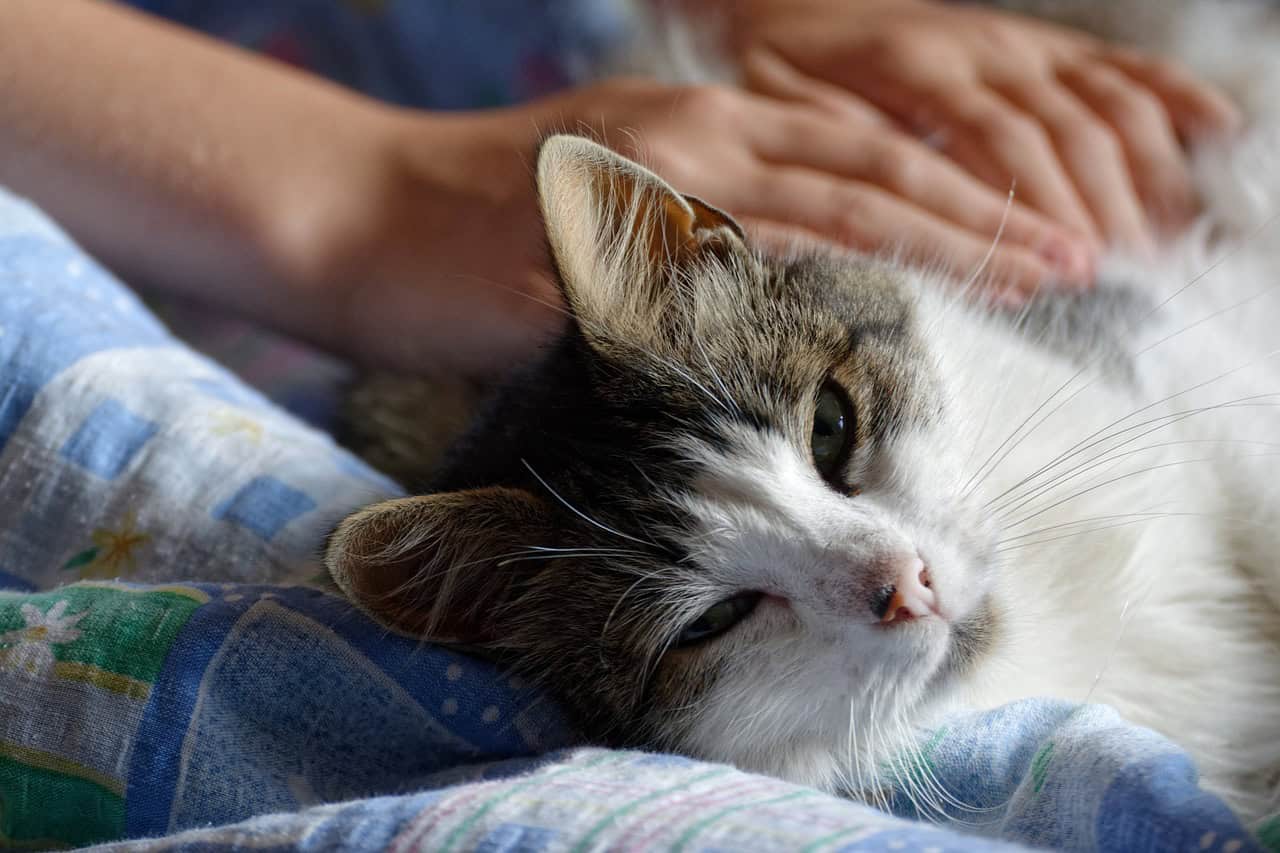
Healing Through Responsibility and Daily Care

One of the first challenges many people face in recovery is rebuilding responsibility in a healthy and manageable way. Addiction often disrupts routines and erodes confidence in one’s ability to care for oneself or others. Cat care introduces gentle responsibility that feels achievable rather than overwhelming.

Learning Consistency One Day at a Time

Feeding schedules, cleaning routines, and daily interaction require consistency. These tasks create structure and encourage individuals to show up each day, even when motivation feels low. Over time, this steady commitment builds confidence and reinforces the belief that positive change is possible through daily effort.

Rebuilding Trust in Yourself

Caring for a cat helps restore self trust. Meeting another living being’s needs fosters a sense of reliability and purpose. This renewed confidence often carries into other areas of recovery, including therapy participation, relationship repair, and long term goal setting.

Emotional Growth Through Compassion and Patience

Cats respond to calm, gentle care. They teach patience in a way that feels natural rather than forced. During recovery, emotional regulation and impulse control are essential skills, and feline companionship supports the development of both.

Developing Emotional Awareness

Cats communicate through subtle cues. Learning to recognize these signals encourages emotional awareness and thoughtful responses. This mirrors recovery work, where individuals learn to notice emotional triggers and respond with healthier coping strategies instead of reacting impulsively.

Practicing Compassion Without Judgment

Many individuals in recovery struggle with guilt and self criticism. Cats offer affection without judgment, reminding caregivers that they are worthy of care and connection. This experience can soften self judgment and support emotional healing.

Finding Hope in Routine and Progress

Recovery often requires redefining success. Instead of dramatic milestones, progress is found in daily stability and emotional growth. Caring for a cat reinforces this mindset.

Celebrating Small Wins

Each completed task is a small victory. Feeding on time, creating a calm environment, or simply being present reinforces progress. These moments build hope and remind individuals that healing is happening, even when it feels slow.

Encouraging Long Term Commitment

Cats thrive in stable environments, which reinforces the importance of consistency and commitment. This aligns with the principles taught in addiction recovery and mental health treatment programs at KolderCats, where sustained effort leads to lasting change.

Supporting Holistic and Faith Based Recovery

At KolderCats, recovery is approached holistically, honoring mental, emotional, and spiritual growth. Cat companionship fits naturally within this model by encouraging mindfulness, gratitude, and reflection.

Strengthening Mindfulness and Presence

Quiet moments spent with a cat encourage stillness and awareness. These moments support mindfulness practices taught in therapy and faith based reflection, helping individuals stay grounded during emotional challenges.

Reinforcing Individualized Healing

Every recovery journey is unique. Caring for a cat allows individuals to connect with healing in a personal and meaningful way. This individualized support complements inpatient and outpatient treatment, enhancing emotional resilience alongside professional care.

Moving Forward With Hope and Support

Caring for a cat teaches powerful lessons about healing, responsibility, and hope. Through daily care, individuals learn patience, rebuild confidence, and find comfort in steady progress. These lessons support emotional resilience and reinforce the skills needed for long term recovery.

At KolderCats, we believe healing is built through compassionate, personalized care that honors the whole person. If you or someone you love is seeking addiction recovery or mental health support, reach out to KolderCats today. Our team is here to help you move forward with guidance, understanding, and hope. Every step matters, and healing is always possible when you are supported along the way.

Why Feline Friends Matter: Supporting Routine, Calm, and Mental Wellness

Recovery from addiction and mental health challenges requires more than clinical treatment. It requires daily practices that promote emotional balance, structure, and a sense of connection. At KolderCats, we understand that holistic healing involves both professional care and meaningful everyday experiences. One powerful, often overlooked support system in recovery is the companionship of a cat. Feline friends provide consistent presence, encourage routine, and promote mental wellness in ways that complement formal treatment programs.

The Power of Routine in Recovery

Addiction and mental health struggles can disrupt daily life, leaving individuals feeling unmoored and overwhelmed. Establishing structure is a key factor in long-term recovery. Caring for a cat introduces predictable routines that reinforce stability and accountability.

Daily Responsibilities Foster Consistency

Feeding schedules, grooming, and playtime create natural anchors in the day. These small but meaningful tasks teach responsibility and help individuals regain trust in their ability to manage everyday obligations. Over time, this consistency supports emotional regulation and reduces anxiety.

Building Skills That Translate to Recovery

The habits formed through caregiving extend beyond interactions with a pet. They can strengthen time management, improve focus, and encourage participation in therapy and other treatment activities. Structured daily routines also reduce the likelihood of relapse by providing clear, purposeful engagement.

How Cats Encourage Calm and Mindfulness

Cats naturally embody presence. Their behavior encourages caregivers to slow down, observe, and engage fully in the moment. Interacting with a cat can provide a calming influence that supports mental wellness and reduces stress.

Mindful Moments Through Interaction

Activities such as petting, brushing, or simply watching a cat explore its environment foster mindfulness. These moments help regulate emotions and encourage reflection, which is vital during recovery. Mindfulness supports better decision making and strengthens resilience to triggers and cravings.

Reducing Stress and Anxiety

Scientific studies have shown that spending time with animals can lower cortisol levels and reduce blood pressure. In the context of recovery, these physiological benefits complement therapeutic interventions, helping individuals feel calmer, more focused, and emotionally stable.

Emotional Connection and Companionship

Recovery can be isolating. Cats provide a unique form of companionship that is nonjudgmental and consistent. Their presence can alleviate feelings of loneliness and support emotional healing.

Fostering Self-Worth and Purpose

Knowing that a cat depends on you nurtures a sense of responsibility and purpose. Caregiving reinforces self-esteem and motivates individuals to maintain healthy routines. This sense of purpose extends to other areas of life, including personal relationships, work, and treatment adherence.

Enhancing Holistic Healing

At KolderCats, we integrate holistic, faith-based, and individualized approaches into our programs. Cat companionship aligns naturally with these principles, offering emotional support and enhancing spiritual and psychological well-being. The lessons learned in caregiving—patience, empathy, and presence—reinforce therapeutic goals and contribute to a balanced recovery process.

Integrating Feline Friends Into Your Healing Journey

Caring for a cat offers more than companionship. It provides structure, encourages mindfulness, and supports emotional resilience during recovery. These benefits complement clinical care, helping individuals maintain calm, routine, and mental wellness in everyday life.

At KolderCats, we believe in a holistic, client-centered approach to healing. If you or a loved one are seeking support for addiction or mental health challenges, reach out to our team today. Together, we can create a recovery plan that incorporates professional guidance, meaningful daily practices, and the emotional support that comes from connecting with a feline friend. Healing is built one mindful moment at a time, and every small step matters.

Cat Companionship and Healing: Emotional Resilience in Everyday Care

Healing from addiction or managing mental health challenges is not only about stopping harmful behaviors. It is about rebuilding emotional strength, learning healthy coping skills, and finding meaningful connection in everyday life. At KolderCats, we recognize that recovery is deeply personal and that healing often happens in small, consistent moments. One powerful yet often underestimated source of support is cat companionship. Caring for a cat can help foster emotional resilience by providing routine, connection, and a sense of purpose that supports long term recovery.

Understanding Emotional Resilience in Recovery

Emotional resilience is the ability to cope with stress, adapt to challenges, and recover from setbacks. During addiction recovery and mental health treatment, this skill is essential. Emotional ups and downs are common, especially when individuals are learning to live without substances or unhealthy coping patterns.

Why Resilience Matters for Long Term Healing

Without emotional resilience, stress and discomfort can feel overwhelming and may increase the risk of relapse. Building resilience allows individuals to tolerate difficult emotions, respond thoughtfully instead of reactively, and stay engaged in their treatment plan. Everyday practices that encourage calm, responsibility, and connection play an important role in this process.

How Cat Companionship Supports Emotional Healing

Cats offer a unique form of companionship that is calming, consistent, and non judgmental. Their presence can help individuals feel less alone, which is especially important during early recovery or periods of emotional vulnerability.

The Comfort of Non Judgmental Connection

Cats do not ask questions or place expectations on their caregivers. This creates a safe emotional space where individuals can relax and be themselves. For those who carry shame, guilt, or self criticism related to addiction, this unconditional acceptance can be deeply healing. Feeling emotionally safe supports mental health and encourages openness in therapy and recovery work.

Stress Reduction Through Daily Interaction

Spending time with a cat can naturally lower stress levels. Simple activities such as petting, playing, or sitting quietly together can promote relaxation and emotional balance. These moments of calm help regulate the nervous system and make it easier to manage cravings, anxiety, or mood swings.

Everyday Care as a Path to Resilience

Caring for a cat introduces structure and responsibility into daily life. These routines are especially valuable for individuals transitioning out of inpatient care or balancing outpatient treatment with everyday responsibilities.

Building Healthy Routines

Feeding schedules, litter box care, and playtime encourage consistency. This structure supports emotional stability and reinforces the importance of showing up every day, even when motivation is low. Over time, these small commitments help rebuild trust in oneself.

Strengthening Self Worth and Purpose

Taking care of another living being reinforces a sense of purpose. Knowing that a cat depends on you can increase motivation and self confidence. This sense of usefulness often extends into other areas of life, including work, relationships, and participation in treatment.

Integrating Cat Companionship Into Holistic Recovery

At KolderCats, recovery is approached through holistic, faith based, and individualized care. Mental health treatment and addiction recovery services address the mind, body, and spirit. Cat companionship aligns naturally with this philosophy by supporting emotional wellness alongside clinical care.

A Complement to Professional Treatment

While caring for a cat is not a replacement for therapy or structured recovery programs, it can enhance the healing process. The emotional skills developed through caregiving, such as patience, empathy, and consistency, reinforce the lessons learned in counseling and group sessions.

Supporting Faith and Personal Growth

For many individuals, caring for a cat also deepens spiritual reflection and gratitude. Acts of compassion and responsibility can strengthen faith and encourage a greater sense of connection to something beyond oneself.

Conclusion: Healing Through Connection and Care

Recovery is built one day at a time through intentional choices and meaningful support. Cat companionship offers comfort, routine, and emotional grounding that can strengthen resilience during addiction recovery and mental health treatment. These everyday acts of care help individuals reconnect with themselves and others in healthy ways.

At KolderCats, we believe healing is most effective when it is personalized, compassionate, and holistic. If you or someone you love is seeking support for addiction or mental health challenges, reach out to KolderCats today. Our team is here to walk alongside you and help you build a foundation for lasting emotional wellness and recovery.

How Caring for a Cat Enhances Emotional Stability During Recovery

Recovery from addiction and mental health challenges is a journey that requires structure, support, and daily practices that reinforce emotional balance. One often overlooked tool in this process is the simple, consistent care of a cat. At KolderCats, we understand that holistic healing extends beyond clinical treatments, encompassing activities that nurture mindfulness, compassion, and routine. Caring for a feline companion offers profound emotional benefits that can strengthen stability during recovery.

The Role of Routine in Emotional Stability

A key component of successful recovery is building a predictable, structured daily life. Addiction often thrives in chaos, and mental health challenges can make organization difficult. Caring for a cat introduces gentle, non-negotiable responsibilities, including feeding, grooming, and playtime. These daily rituals create rhythm and purpose, encouraging individuals to stay grounded and engaged with the present moment.

Consistency as a Therapeutic Anchor

For someone in recovery, small, consistent tasks can provide a sense of accomplishment and self-worth. Feeding a cat or maintaining a clean litter box may seem minor, but these actions reinforce accountability and promote confidence. Over time, this consistent engagement can strengthen emotional resilience and reduce feelings of chaos or overwhelm.

Mindfulness and Emotional Awareness Through Cat Care

Cats naturally embody presence. They rest, play, and observe fully in each moment, modeling calm attentiveness. Interacting with a cat encourages mindfulness, helping individuals focus on the here and now. Simple actions like petting a cat, brushing its fur, or observing its behavior can reduce stress and support emotional regulation.

Building Emotional Skills

Mindful caregiving enhances patience, empathy, and awareness. Individuals learn to recognize subtle cues, respond with care, and manage their reactions thoughtfully. These skills translate directly into coping strategies for managing cravings, stress, and emotional triggers in recovery.

Unconditional Companionship and Non-Judgmental Support

Isolation and shame can hinder recovery. Cats provide a unique form of emotional support because they do not judge or hold expectations. Their presence offers comfort and connection, reducing loneliness and providing a safe space for self-expression.

Emotional Safety in Recovery

The non-verbal, unconditional companionship of a cat allows individuals to relax without fear of criticism. This emotional safety supports overall mental wellness, allowing clients to focus on their treatment, therapy sessions, and personal growth.

Integrating Cat Care into Holistic Healing

At KolderCats, recovery is approached holistically, combining clinical treatment with individualized and faith-based support. Caring for a cat complements professional care by promoting emotional balance, routine, and mindfulness. While a cat is not a replacement for therapy or medical interventions, the companionship of a feline friend enhances the skills learned in recovery programs, making healing more sustainable.

Supporting Long-Term Recovery

Daily caregiving encourages patience, consistency, and self-compassion. Over time, these habits extend beyond interactions with the cat, improving relationships, work performance, and personal resilience. Individuals become better equipped to handle stress and maintain emotional stability in everyday life.

Healing One Moment at a Time

Caring for a cat provides more than companionship—it offers structure, mindfulness, and unconditional support. For individuals in addiction recovery and mental health treatment, these benefits can significantly enhance emotional stability and overall well-being. At KolderCats, we are committed to supporting every aspect of your journey, combining professional care with meaningful daily practices.

If you or a loved one are seeking help with recovery, reach out to KolderCats today. Together, we can create a path toward lasting healing and balance, one mindful moment at a time.

Mindful Moments with Cats: Strengthening Mental Health Through Caregiving

Mindfulness is a powerful tool in addiction recovery and mental health healing. It helps individuals slow down, regulate emotions, and reconnect with themselves in meaningful ways. At KolderCats, we recognize that true recovery extends beyond clinical treatment. It involves daily practices that nurture calm, purpose, and emotional balance. One often overlooked but deeply effective practice is caring for a cat. Through simple, mindful moments of caregiving, cats can help strengthen mental health and support lasting recovery.

Why Mindfulness Matters in Recovery

Addiction and mental health challenges often pull individuals out of the present moment. Worry about the future or regret about the past can fuel anxiety, depression, and emotional overwhelm. Mindfulness gently brings attention back to what is happening right now. This awareness helps individuals manage triggers, reduce stress, and respond thoughtfully rather than react impulsively.

At KolderCats, mindfulness is supported through holistic and faith-based care. Caring for a cat naturally reinforces this practice by encouraging presence, patience, and emotional awareness throughout the day.

Cats as Natural Teachers of Presence

Cats live fully in the moment. They rest when tired, play when engaged, and observe quietly when curious. Spending time with a cat invites individuals to slow down and mirror this behavior. Watching a cat stretch in the sunlight or listening to a steady purr can ground the mind and calm racing thoughts. These moments of stillness support emotional regulation and mental clarity.

The Emotional Benefits of Caregiving

Caring for another living being creates connection and purpose. For individuals in addiction recovery or mental health treatment, caregiving can rebuild confidence and self-worth. Feeding, grooming, and comforting a cat provide daily opportunities to practice responsibility and compassion.

Building Routine and Emotional Stability

Recovery thrives on structure. Caring for a cat introduces consistent routines that support emotional stability. Feeding times, litter care, and play sessions help organize the day and reduce chaos. These routines reinforce accountability and provide small but meaningful accomplishments, which are essential for rebuilding confidence during recovery.

Non-Judgmental Emotional Support

Cats offer unconditional companionship. They do not judge mistakes or expect emotional explanations. This creates a safe emotional environment for individuals who may struggle with shame or guilt. That quiet, non-verbal support aligns closely with the client-centered care provided at KolderCats, where empathy and understanding guide every stage of treatment.

Mindfulness in Everyday Interactions

Mindfulness does not require long meditation sessions. It often begins with simple awareness. Brushing a cat’s fur, refilling a water bowl, or playing with a toy can become grounding experiences when done with intention. These moments encourage deep breathing, focus, and calm.

Supporting Holistic Healing

At KolderCats, recovery addresses the whole person: mind, body, and spirit. Mindful caregiving complements therapy, inpatient and outpatient programs, and faith-based support. It encourages patience, empathy, and emotional awareness, which strengthen long-term recovery efforts. While a cat is not a replacement for professional treatment, their presence reinforces the coping skills learned in care.

Strengthening Long-Term Recovery

Mindfulness builds resilience. When individuals learn to pause, observe, and respond calmly, they are better equipped to handle stress and emotional triggers. Caring for a cat nurtures these skills daily. Over time, these mindful habits extend beyond caregiving and into relationships, work, and personal growth.

Healing Through Presence and Care

Recovery is built one moment at a time. Mindful caregiving offers daily opportunities to practice calm, compassion, and responsibility. Cats provide comfort, structure, and emotional connection that can strengthen mental health and support healing.

At KolderCats, we believe lasting recovery is possible through holistic, individualized, and compassionate care. If you or a loved one is seeking support for addiction recovery or mental health treatment, reach out to KolderCats today. With professional guidance and meaningful daily practices, healing and balance are within reach.

Paws for Healing: The Therapeutic Benefits of Caring for a Cat During Addiction Recovery

When navigating the complexities of addiction recovery and mental health treatment, healing often comes from unexpected places. While clinical interventions like therapy and medical management are foundational, the daily presence of a companion animal can offer a unique form of emotional support that is difficult to replicate. At koldercats.com, we recognize that our feline friends are more than just pets; they are therapeutic partners that provide consistency, unconditional love, and a sense of purpose. For many individuals in recovery, caring for a cat helps ease the invisible weight of isolation and provides a gentle pathway back to emotional regulation. Understanding the science and soul behind this bond can help you see how a feline companion might fit into your holistic journey toward wellness.

The Science of Purring: Stress Reduction and the Nervous System

It is often said that a purring cat is a happy cat, but science tells us that a cat’s purr is also a powerful tool for human health. Domestic cats purr at a frequency between 25 and 150 Hertz. Research suggests that sound frequencies in this range can improve bone density and promote the healing of tendons, but the most immediate benefit for someone in recovery is the effect on the nervous system.

Interacting with a cat has been shown to lower cortisol levels (the stress hormone) and increase the production of oxytocin (the “bonding hormone”). For an individual managing the high-stress environment of early sobriety or the symptoms of a mental health disorder, the simple act of petting a cat can lower blood pressure and provide a sense of immediate calm. This physiological “reset” is a perfect complement to professional mental health treatment.

1. Building a Routine through Responsibility

One of the greatest challenges in recovery is rebuilding a sense of structure. Addiction often thrives in chaos, and the transition to a sober life requires a new, healthy routine. Caring for a cat introduces a gentle, non-negotiable set of responsibilities.

The Power of Being Needed

When you are struggling with self-worth, knowing that another living being depends on you for food, safety, and affection can be life-changing. This responsibility provides a reason to get out of bed on difficult days. Whether you are in an outpatient program or transitioning from inpatient care, the routine of feeding, grooming, and playing with your feline friend anchors you in the present moment.

Developing Empathy and Self-Care

By learning to read a cat’s subtle body language and responding to their needs, individuals in recovery often find they are also learning to be more compassionate with themselves. The patience required to bond with a cat mirrors the patience required for personal healing.

2. Unconditional Love as a Shield Against Stigma

The weight of stigma is one of the heaviest burdens a person in recovery carries. Society, and even family members, may carry judgments about the past. A cat, however, has no concept of your history. They offer a “client-centered” form of love that is entirely focused on the here and now.

A Non-Judgmental Presence

For those dealing with depression or social anxiety, the presence of a cat provides companionship without the social pressure of conversation. You can be entirely yourself around a cat. This emotional safety is vital for those who feel vulnerable during their individualized treatment journey.

Faith and Spiritual Connection

Many find that the quiet, observant nature of a cat encourages a more mindful or spiritual way of living. In a faith-based recovery context, caring for a creature is often seen as a stewardship that fosters a deeper connection to life and a higher purpose. It reminds us that we are part of a larger, living world that values our presence.

3. Combating Isolation in Outpatient and Aftercare

Isolation is a leading trigger for relapse. While group therapy and peer support are essential, there are many hours of the day when a person is alone. A cat fills those quiet spaces.

  • Reducing Loneliness: Having a living being in your home reduces the “emptiness” that can lead to intrusive thoughts.

  • Encouraging Playfulness: Cats are naturally curious and playful, reminding us that joy and laughter are still possible, even during serious work like addiction recovery.

  • Providing Touch: Physical touch is a basic human need. The tactile sensation of soft fur and the warmth of a cat sleeping on your lap can be incredibly grounding.

4. Integrating Animal Companionship into Holistic Care

At koldercats.com, we believe in a holistic approach to wellness. This means looking at every factor that contributes to your health, from your clinical care to your domestic environment. While not everyone is in a position to care for a cat, for those who are, the benefits are undeniable.

Individualized care plans often include lifestyle recommendations that promote long-term stability. If you find that animals bring you peace, we encourage you to explore that connection as a part of your broader recovery strategy.

Find Your Path to Healing

Caring for a feline friend is a beautiful way to practice the skills of recovery: patience, consistency, and compassion. However, it is important to remember that a pet is a support system, not a replacement for professional care.

If you or a loved one are struggling with addiction or mental health challenges, we are here to provide the professional and compassionate guidance you need. From inpatient residential support to flexible outpatient services, we offer a range of programs designed to help you reclaim your life.

Contact us today to learn more about our individualized approaches to recovery. Let us help you find the tools, the community, and the peace you need to move forward. Your journey to wellness is unique, and we are honored to walk it with you.