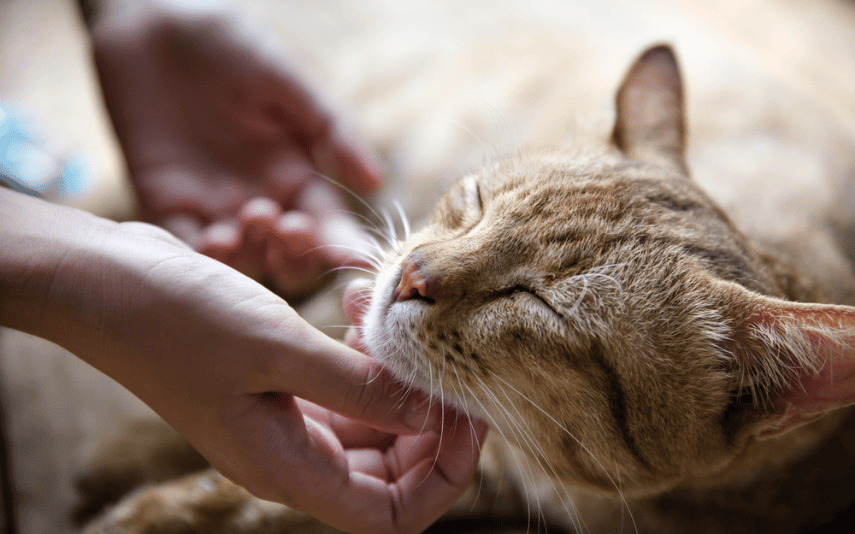
 Recovery from addiction and mental health challenges is a journey that requires patience, support, and meaningful connections. At KolderCats, we believe healing is most effective when it addresses the mind, body, and spirit. While structured therapy, inpatient care, and faith-based guidance are essential, everyday experiences can provide powerful emotional benefits. One such experience is caring for a cat. From shelter adoption to daily companionship, cats offer comfort, emotional support, and routines that strengthen resilience and promote well-being during recovery.
The Therapeutic Impact of Cat Companionship
Cats are natural companions that help reduce stress and promote emotional stability. Interacting with a cat—whether through petting, playing, or simply observing their behavior—can lower cortisol levels and increase serotonin and oxytocin. These physiological changes help manage anxiety, enhance mood, and create a sense of calm, all of which are vital for individuals navigating the challenges of addiction recovery or mental health treatment.
Companionship Without Judgment
One of the most unique benefits of caring for a cat is their non-judgmental presence. Cats do not criticize, judge, or expect explanations for your emotions. For individuals in recovery, this form of unconditional companionship can provide a safe space to process feelings, regain confidence, and experience emotional connection. This mirrors the compassionate, individualized care offered at KolderCats, where every client is supported in a judgment-free environment.
Building Routine and Responsibility
Recovery is strengthened by consistent routines, and caring for a cat naturally introduces structure into daily life. Feeding, grooming, and play sessions encourage responsibility, while offering small but meaningful accomplishments each day. This sense of purpose reinforces self-discipline, accountability, and emotional stability, which are critical components of long-term recovery.
Encouraging Mindfulness Through Daily Interaction
Cats live fully in the present, a behavior that can teach valuable mindfulness lessons. Observing a cat’s focused play, peaceful rest, or curious exploration encourages clients to slow down and remain present. Practicing mindfulness in this way reduces stress, improves emotional regulation, and complements holistic therapy methods, supporting both mental and spiritual well-being.
Healing Together: The Shelter Connection
Adopting a cat from a shelter adds another layer of emotional benefit. Providing care for an animal in need fosters empathy, compassion, and nurturing instincts. This reciprocal relationship—where both the cat and caregiver benefit—reinforces self-worth and reinforces the positive impact of compassionate action, which can be particularly empowering during recovery.
Enhancing Emotional Resilience
Cats offer consistent, reliable companionship, helping clients navigate loneliness and emotional challenges. Their calming presence supports resilience by providing a source of comfort during stressful moments. Over time, the routine of caring for a cat and the emotional bond it creates can become an integral part of a client’s healing journey.
From Shelter to Heartfelt Healing
The emotional benefits of caring for a cat extend far beyond simple companionship. They provide structure, encourage mindfulness, reduce stress, and create opportunities for empathy and connection. At KolderCats, we integrate holistic, faith-based, and individualized care to help clients find balance, build emotional resilience, and sustain long-term recovery.
If you or a loved one are seeking compassionate addiction recovery or mental health treatment, reach out to KolderCats today. Together, we can help you embrace healing, foster emotional well-being, and experience the transformative power of connection—one paw at a time.